
Commercial disputes
Disputes from commercial, supply, distribution and cooperation contracts between businesses - over payment, liquidated damages and compensation.

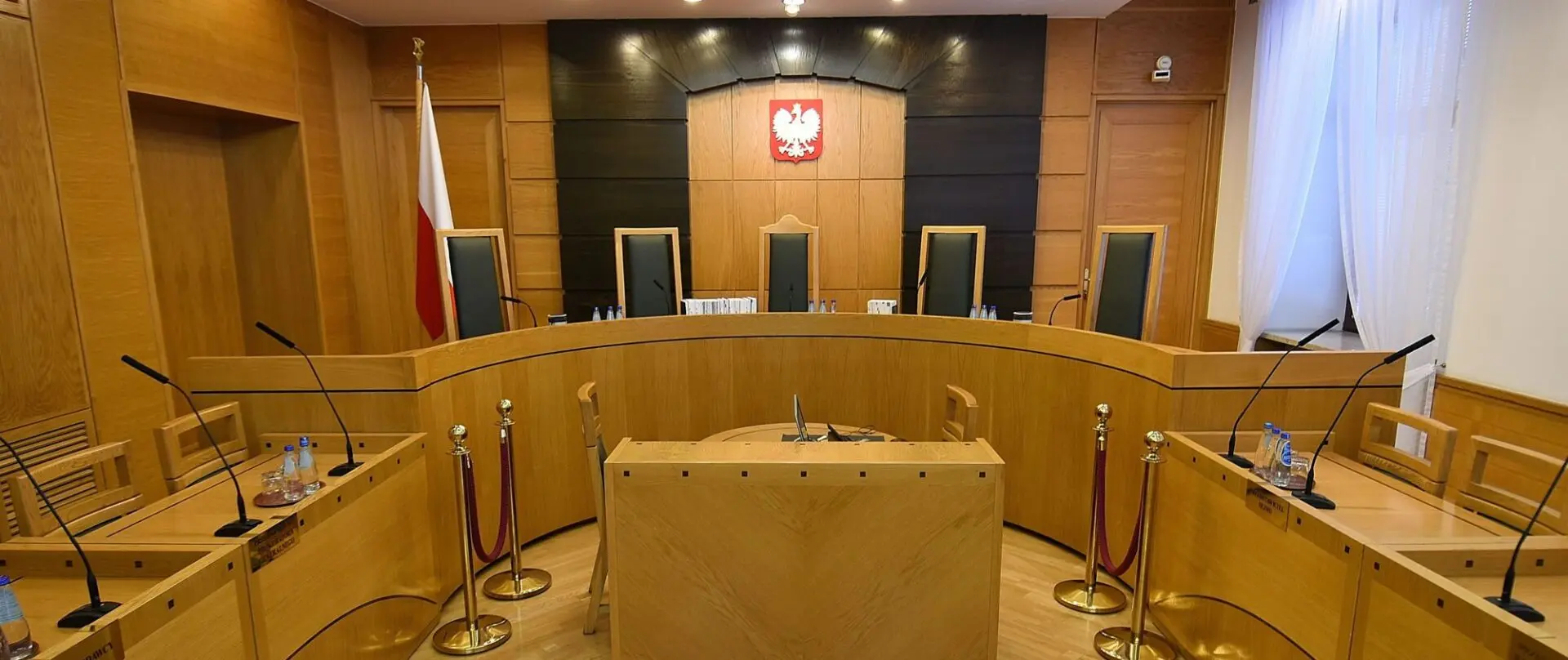
We represent companies in disputes - before common courts and arbitration, in mediation and debt recovery. From pre-litigation strategy to enforcing the judgment.
We represent clients before common courts and arbitration, run mediations and effective debt recovery. Before a matter reaches the courtroom we analyse the facts and the law, identify risks and choose a strategy with you - settlement, mediation or litigation.
Our help does not end at court. It begins much earlier: risk analysis, negotiations, securing assets, and enforcing the judgment. You work with a lawyer who understands your business, so the litigation strategy serves your goal, not just the legal argument.
From commercial, employment and corporate disputes to administrative, construction and real-estate ones. Where a dispute touches sectors of documented expertise (automotive, crypto-assets), we combine litigation skill with regulatory knowledge.
Disputes from commercial, supply, distribution and cooperation contracts between businesses - over payment, liquidated damages and compensation.
Representing the employer in disputes with employees before the labour court (full preventive scope - see Labour law).
Disputes between shareholders, over the validity of resolutions and conflicts within company bodies (full scope - see Company law and corporate governance).
Disputes over defects, delays and settlement of works - liquidated damages, statutory warranty, retention guarantee (see Real estate).
Representation before administrative authorities and the regional administrative courts and the Supreme Administrative Court.
Disputes over transactions, commercial leases and investments in the property market.
Conflicts with dealers, importers and distribution partners, including product liability (see Legal solutions for the automotive industry).
Disputes and proceedings around the MiCA regime, CASP licences and AML requirements (see For cryptocurrency companies).
The scenarios below are illustrative and do not describe specific cases or their outcomes.
Assessing the facts and the law, the chances of success and realistic scenarios - settlement, mediation or litigation.
Choosing the path (negotiation, mediation, court proceedings) fitted to the business goal, not just the legal argument.
Running the negotiation, mediation or proceedings, with ongoing reporting to the client.
Where needed, securing claims and enforcing the judgment.
Proceedings are becoming increasingly digital. We track it for you:
Legal position: July 2026.
A settlement reached before a mediator, once approved by the court, in principle has legal effect and can be enforced. Taking part in mediation does not, however, guarantee an agreement.
If the parties do not agree, the matter can go to court. We treat mediation as a real, often faster and confidential route - but always with a litigation option prepared in reserve.
There is no single universal figure - it depends on the court, the complexity of the case and whether the parties use appeals. An honest lawyer will not promise you a specific judgment date.
At the analysis stage we present realistic scenarios for your specific case - and show where a settlement or securing the claim can shorten the road to recovering the money.
In many situations yes - negotiation saves time and cost, and sometimes gives a better business outcome than a judgment. A judgment does not always account for the future trading relationship between the parties.
The decision depends on the specific case and negotiating position. We always weigh the real litigation alternative, so you negotiate from strength, not desperation.
Securing a claim is court protection of your claim before judgment - e.g. freezing an account or an entry in the land register - so the debtor cannot move assets away. Without it, even a won case can be unenforceable.
We apply for security where there is a real risk the counterparty will deplete assets. It is often the most important yet underrated step - it decides whether the judgment can later be enforced.
Arbitration is a private tribunal - usually faster, confidential and with an award enforceable like a court judgment, but it requires a prior arbitration clause in the contract. A common court is always available but can be slower and public.
We match the forum to the case and to your contract wording. For international contracts arbitration often wins because the award is recognised abroad.
Yes - alongside standard contract analysis you must account for the sector's regulatory specifics, e.g. block exemptions in competition law. That drives the parties' position when terminating a dealer agreement.
That is why we run such disputes together with the automotive team, combining litigation and regulatory knowledge - from compensation to settling the dealer's investment.
The team that will run your dispute - from pre-litigation strategy to enforcing the judgment.

Michał Wołoszański
Founder & Managing Partner,
INSEAD Global Executive MBA, Attorney-at-law
Michał oversees the firm's most important disputes - from litigation strategy and settlement negotiations to arbitration and cross-border matters.

Kinga Miller
Partner, Advocate, Approved Compliance Expert, Approved ESG Officer
Kinga runs disputes, court proceedings and arbitration - from case strategy to matters with a compliance and white-collar element.

Łukasz Kudela
Partner, Attorney-at-Law,
Cryptocurrency Project Manager
Łukasz combines civil and commercial law with dispute work - including the automotive and crypto sectors, where regulatory knowledge counts.

Katarzyna Płonkowska
Associate, Attorney-at-law
Katarzyna handles court disputes in commercial and consumer law - complaints, commercial contracts and pursuing claims.
Tell us what the dispute is about and where you are - we'll flag the risks and the next step.
Contact us